
patch.
User Research, Branding, UI/UX Design, Systems Design
According to the EPA, over 11 tons of textiles meet the landfills in the U.S. every year. With the rise of faster and cheaper fashion trends, textiles are being generated and tossed at an alarmingly increasing rate. Many initiatives already exist to foster donation and reuse, but a majority of those textiles still end up in the landfill before the end of their life. I created a design system that would keep those clothes in people's homes for longer, encouraging long-term use and lessen the need for new textile creation.
Role
Researcher
Designer
Course
Interaction Design
Studio
Duration
5 weeks
Tools
Illustrator,
Photoshop, Figma
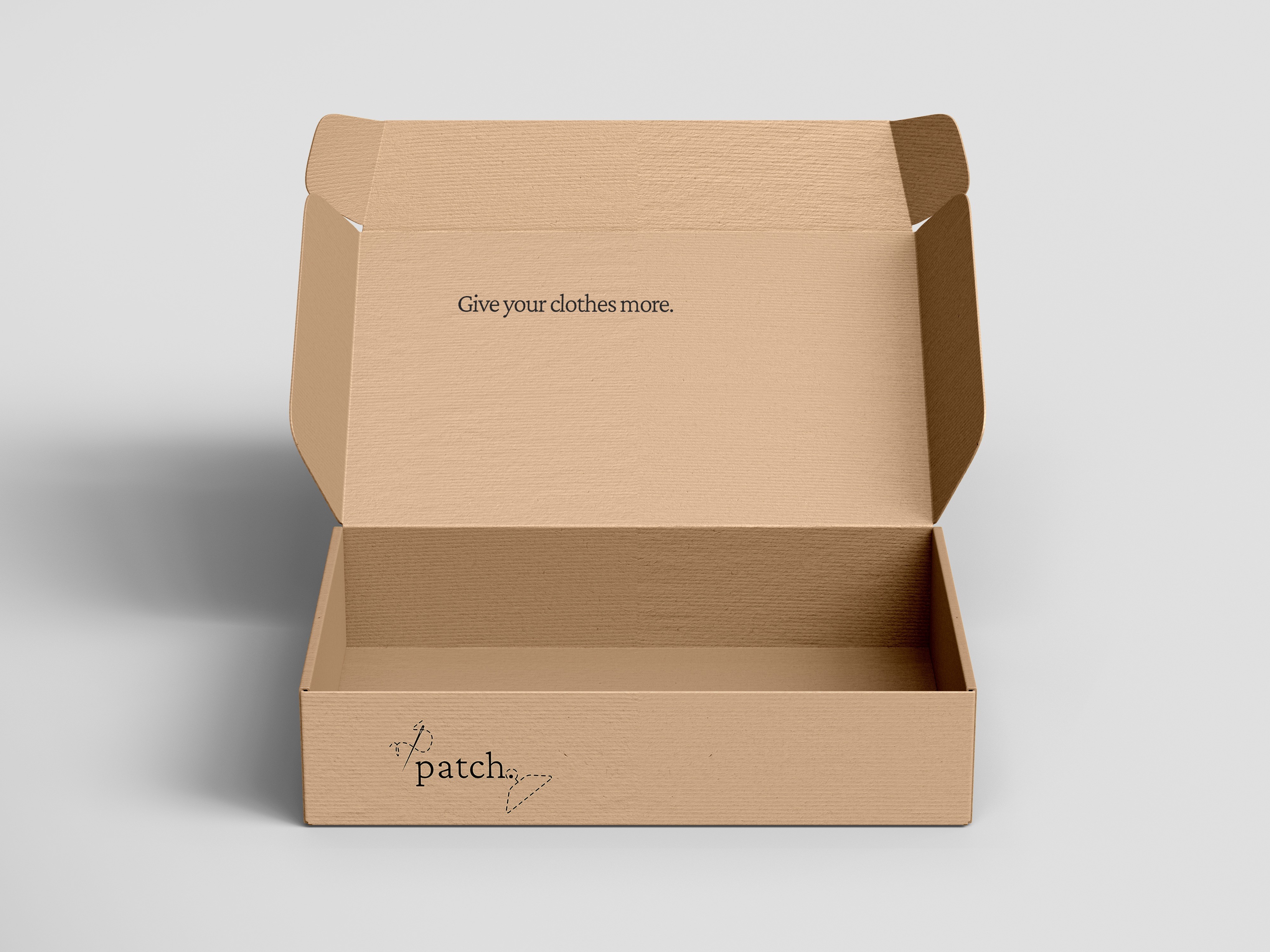
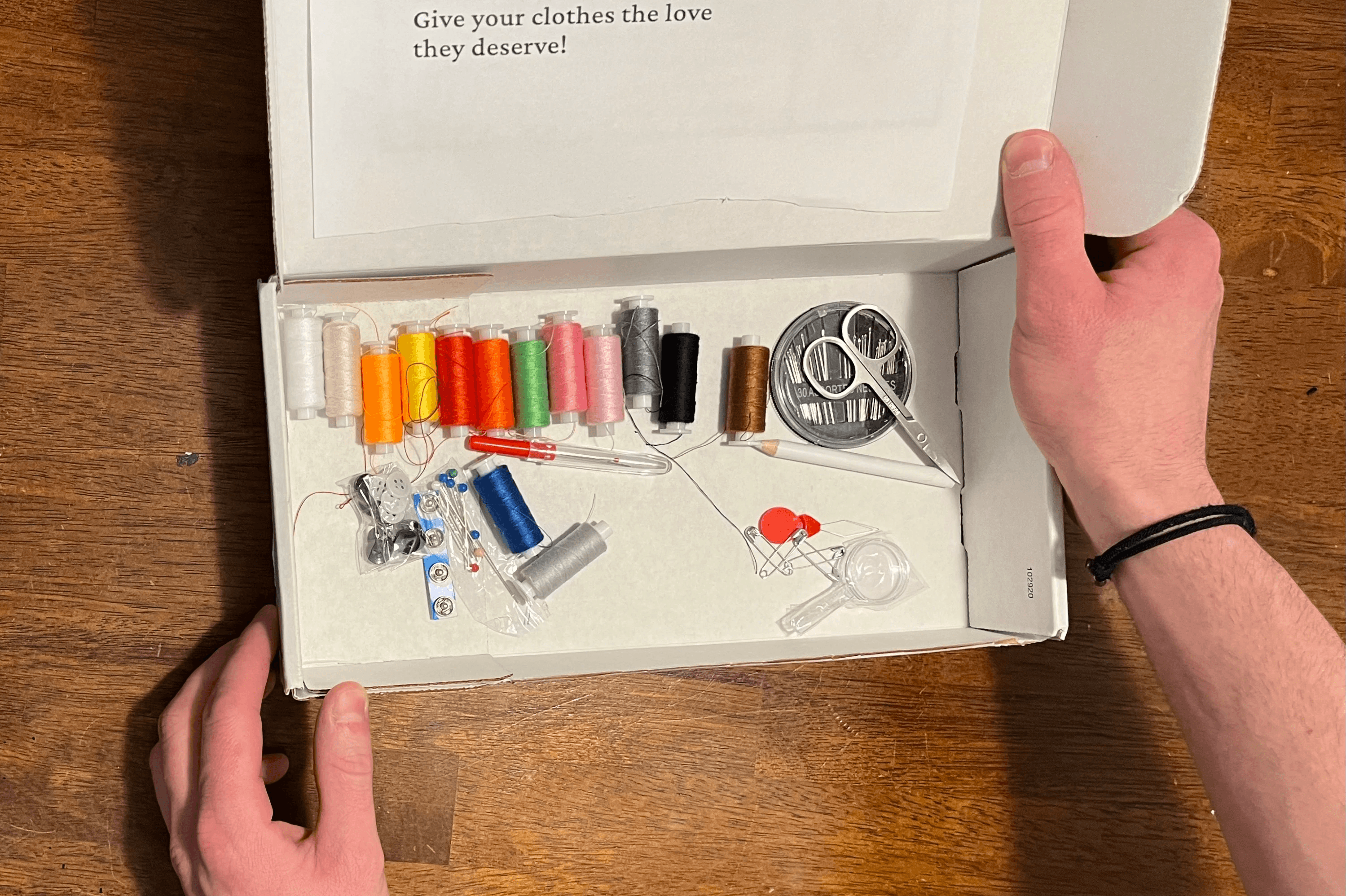
Mending Kit and Pop-Up Events
Users can choose to order a mending kit from the app that includes all the necessary materials for most basic mending, such as thread, needles, scissors, safety pins, etc.
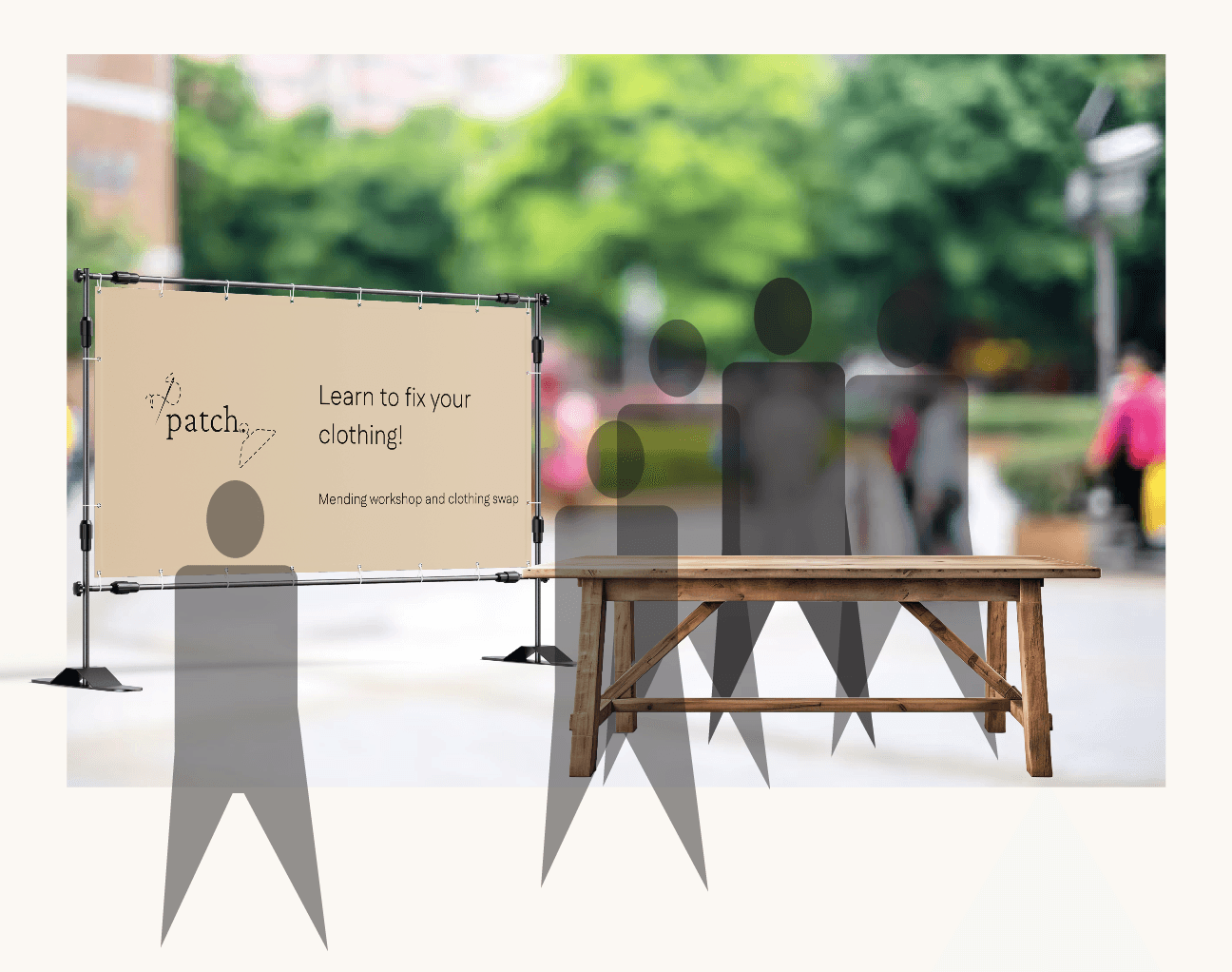
Patch also offers in-person community events, where people can come up and learn to fix their clothes, ask for help, or simply mend their clothes with others. Events can also include exchanges, where people can bring clothes they don't want and exchange with others!
Design Solution
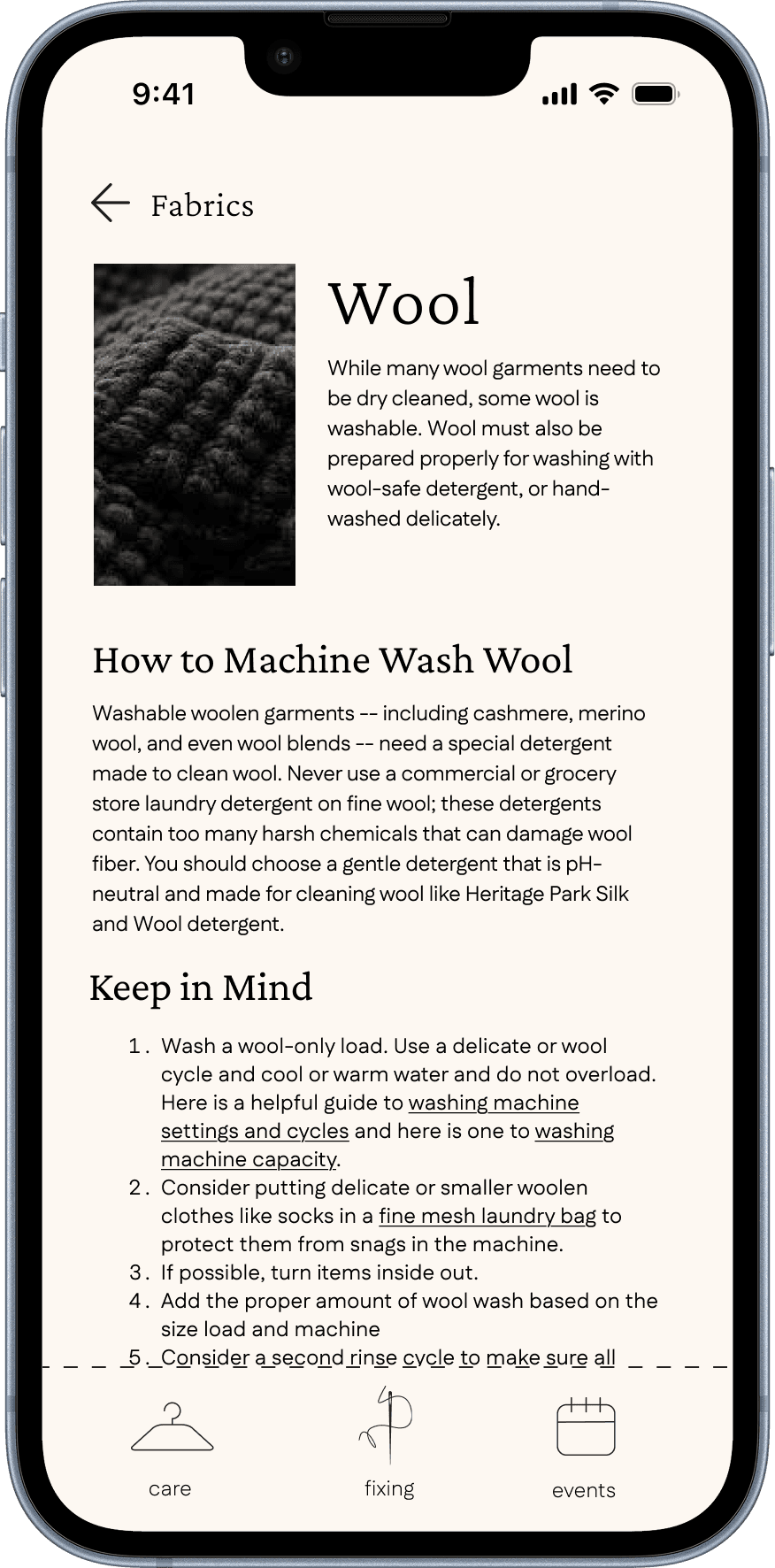
Laundry + Care
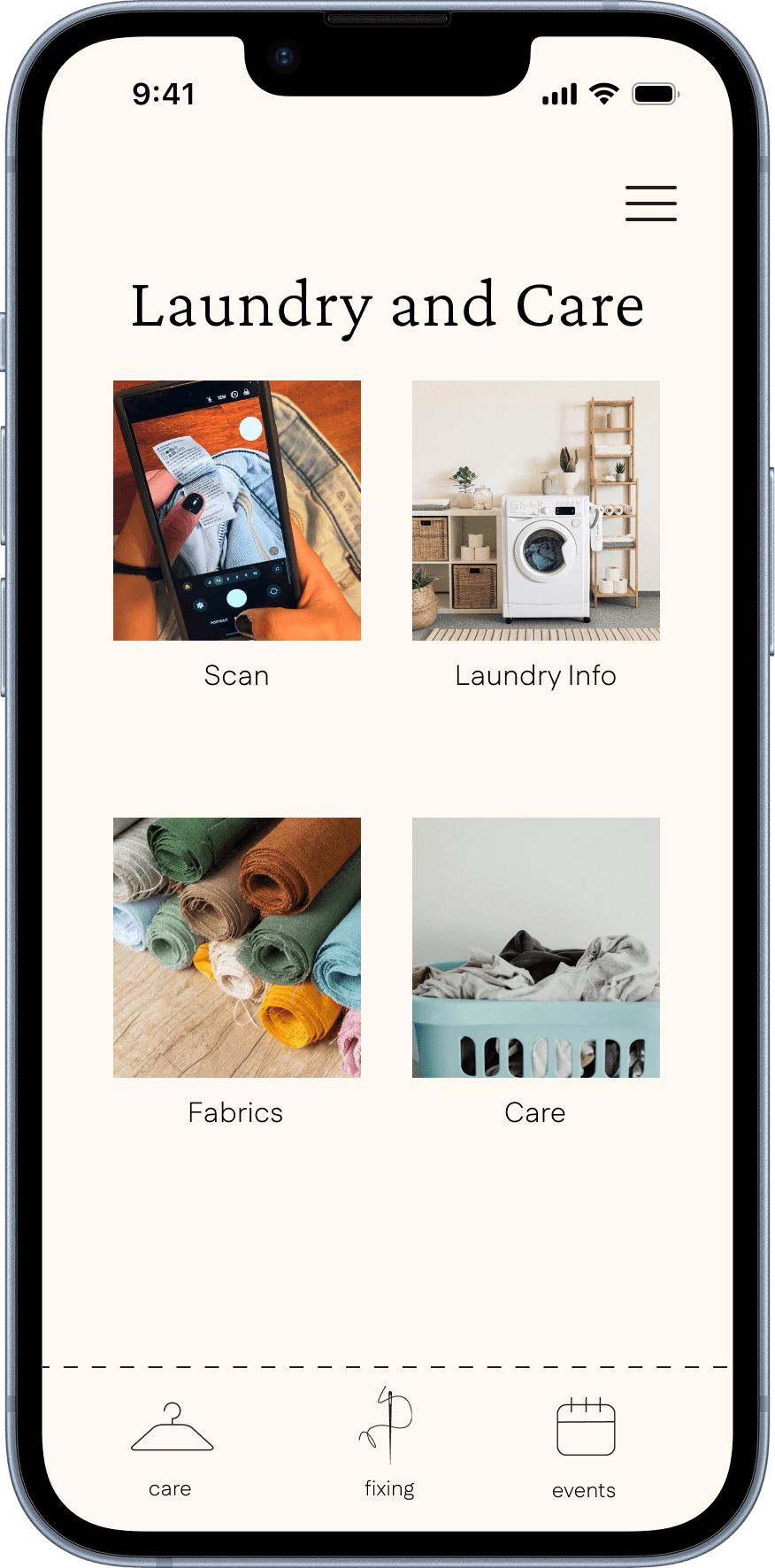
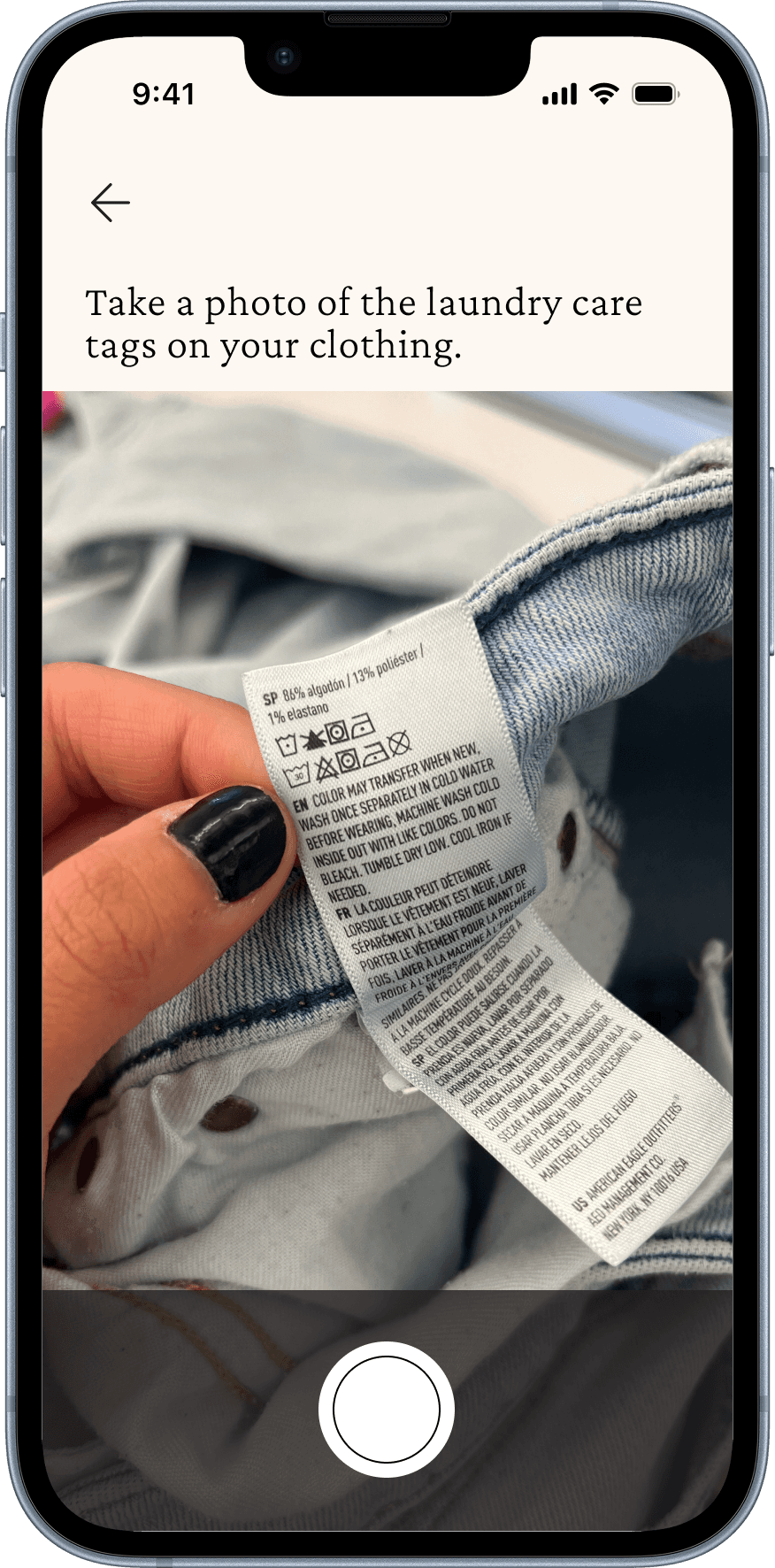
The Laundry + Care section is designed to both make easier and inform users how best to take care of their clothing.
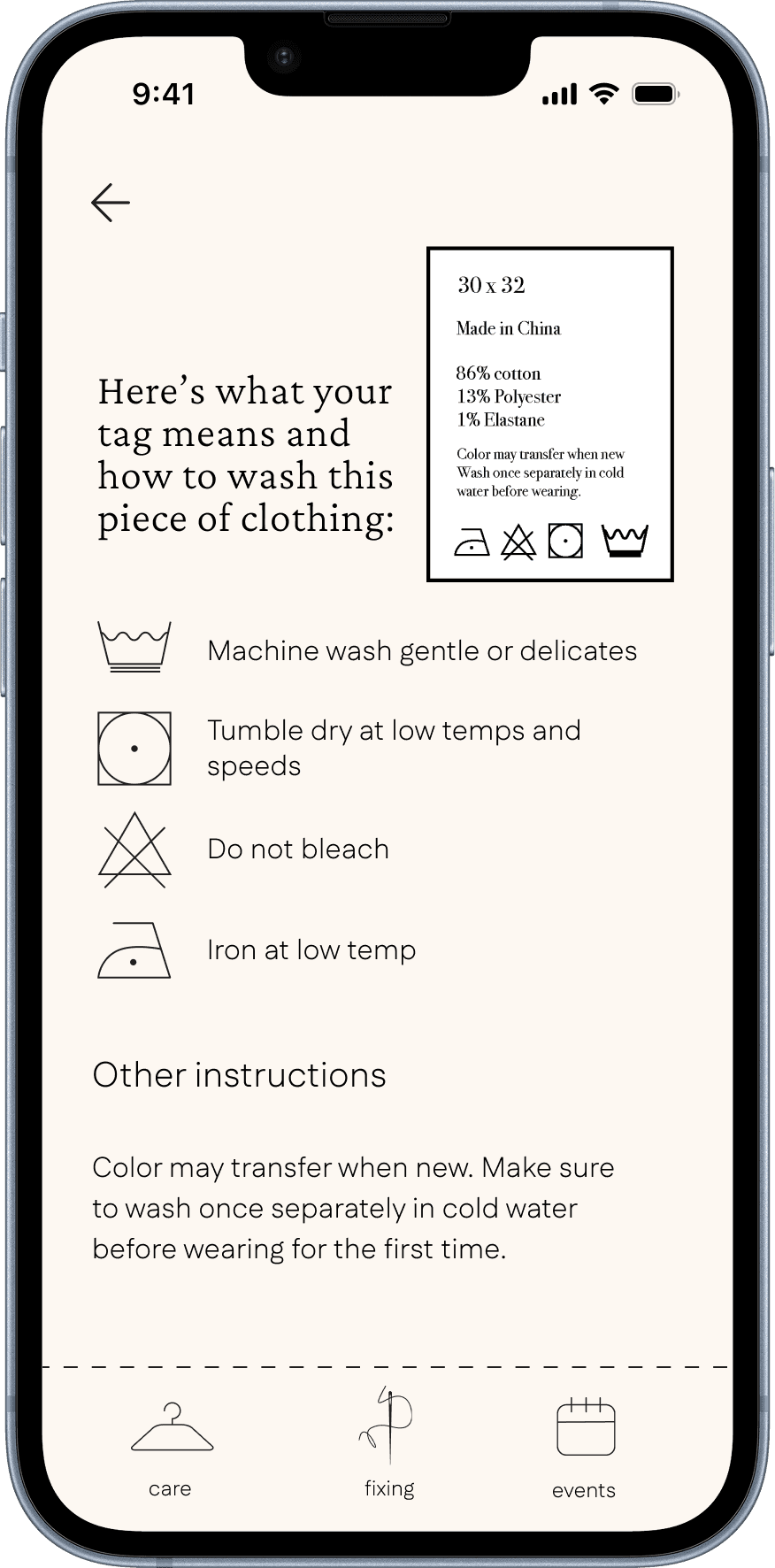
The Scan feature allows a user to take a photo of the laundry care tag on their clothing and let them know not only how to wash and dry that piece of clothing, but identify the labels on care tags for other garments.
The section also features an fabrics directory that educates a user on care tips for certain fabrics and materials.
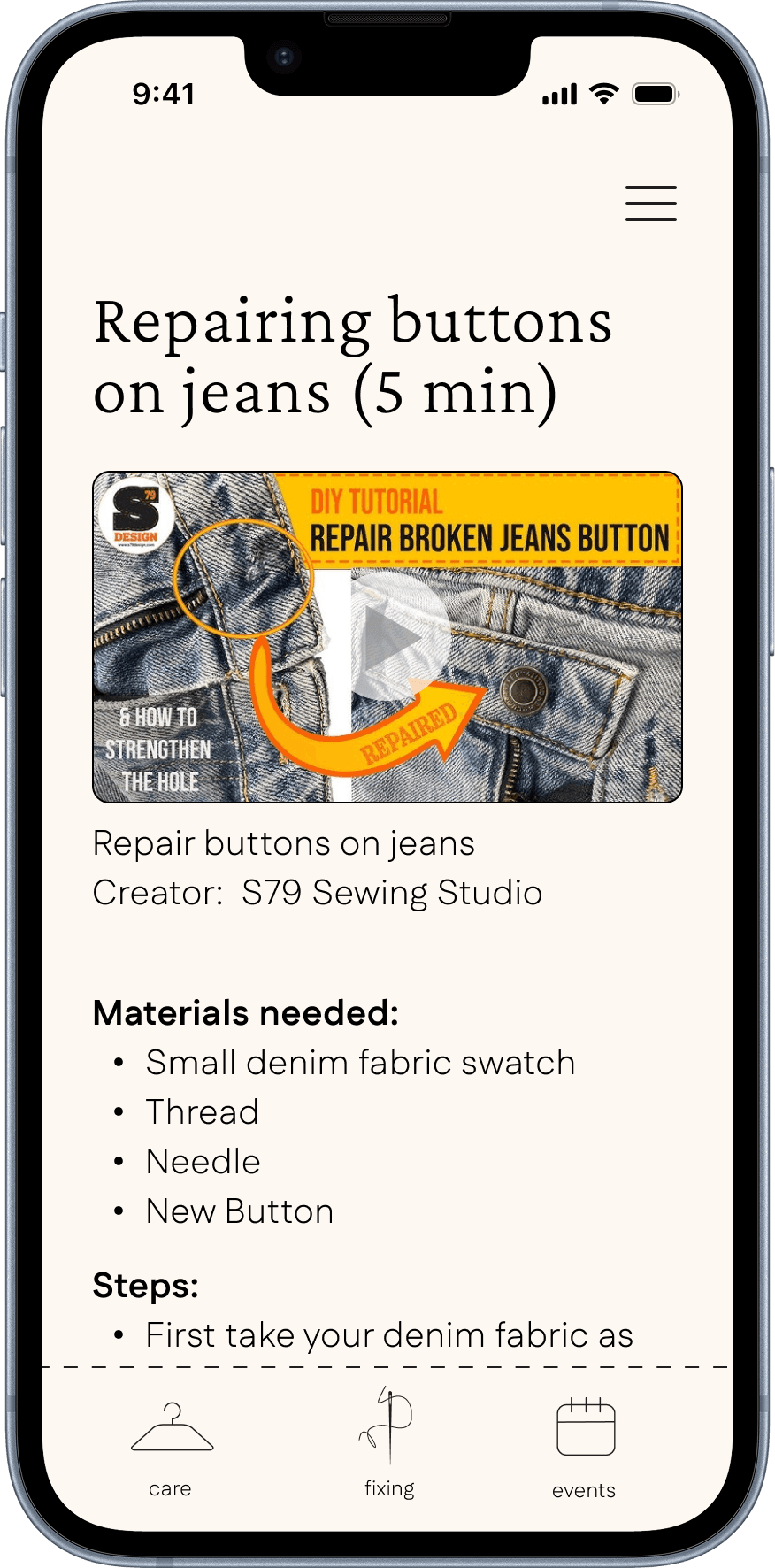
Mending Tutorials
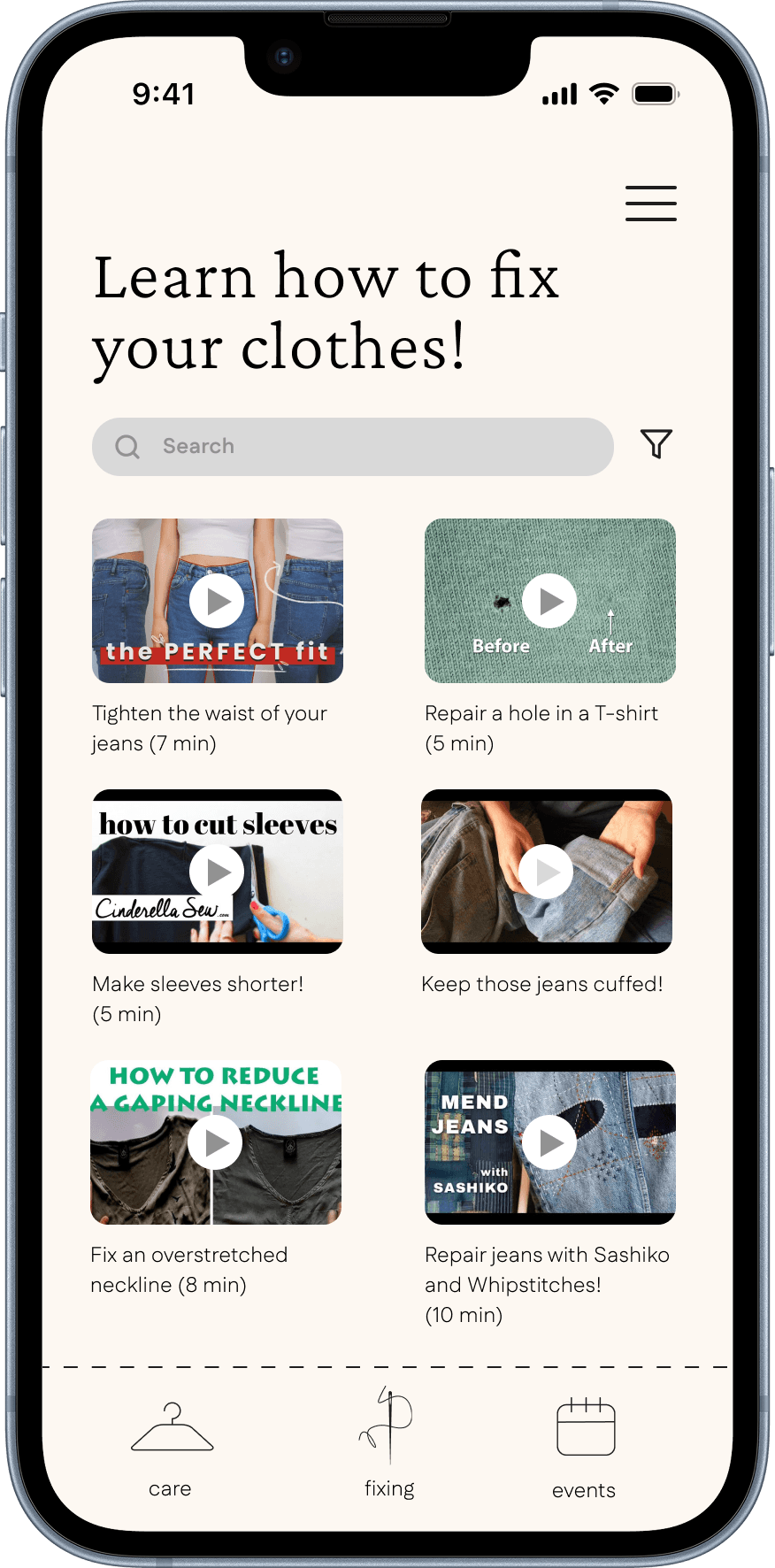
Users will be able to scroll through and search video and written tutorials for common clothing fixes. Each tutorial will include written steps and the matierals needed.
First Concepts
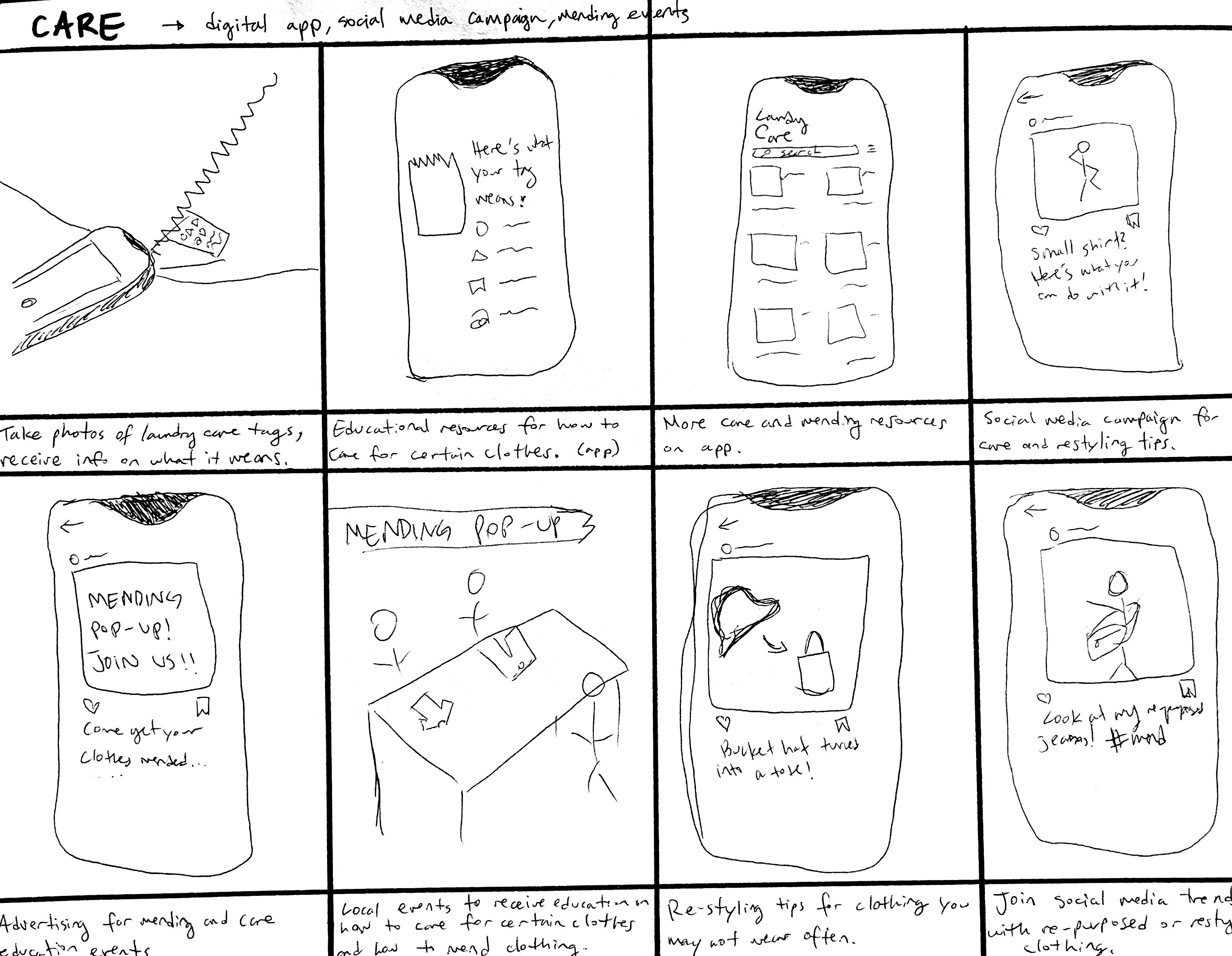
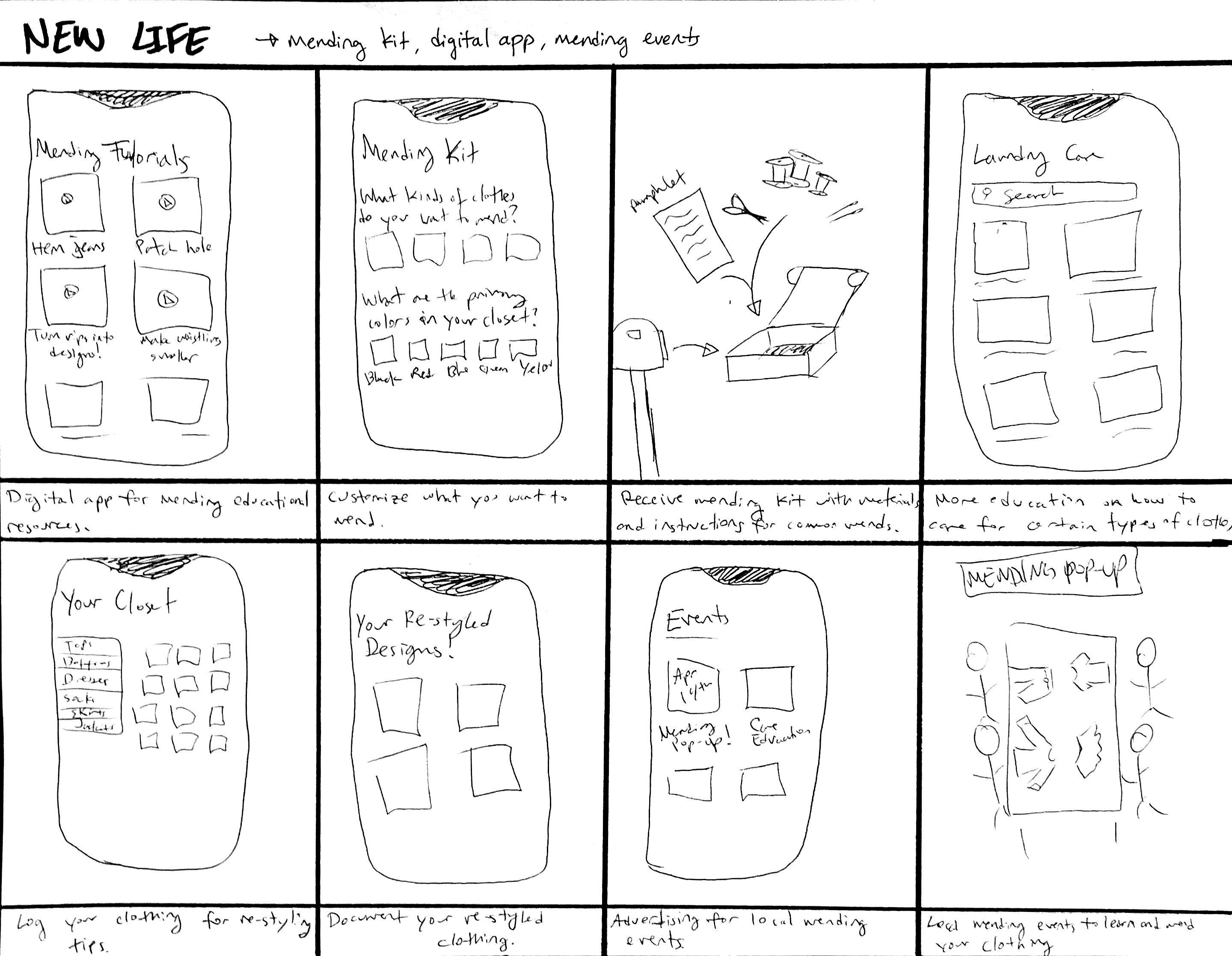
Design Principles
Goals
Final Goal
Help people extend the life of their clothing.
Research
Synthesis
Only reuse case is cleaning rags.
Sometimes clothing care is hard to maintain, doesn’t feel as important.
Speed-Dating
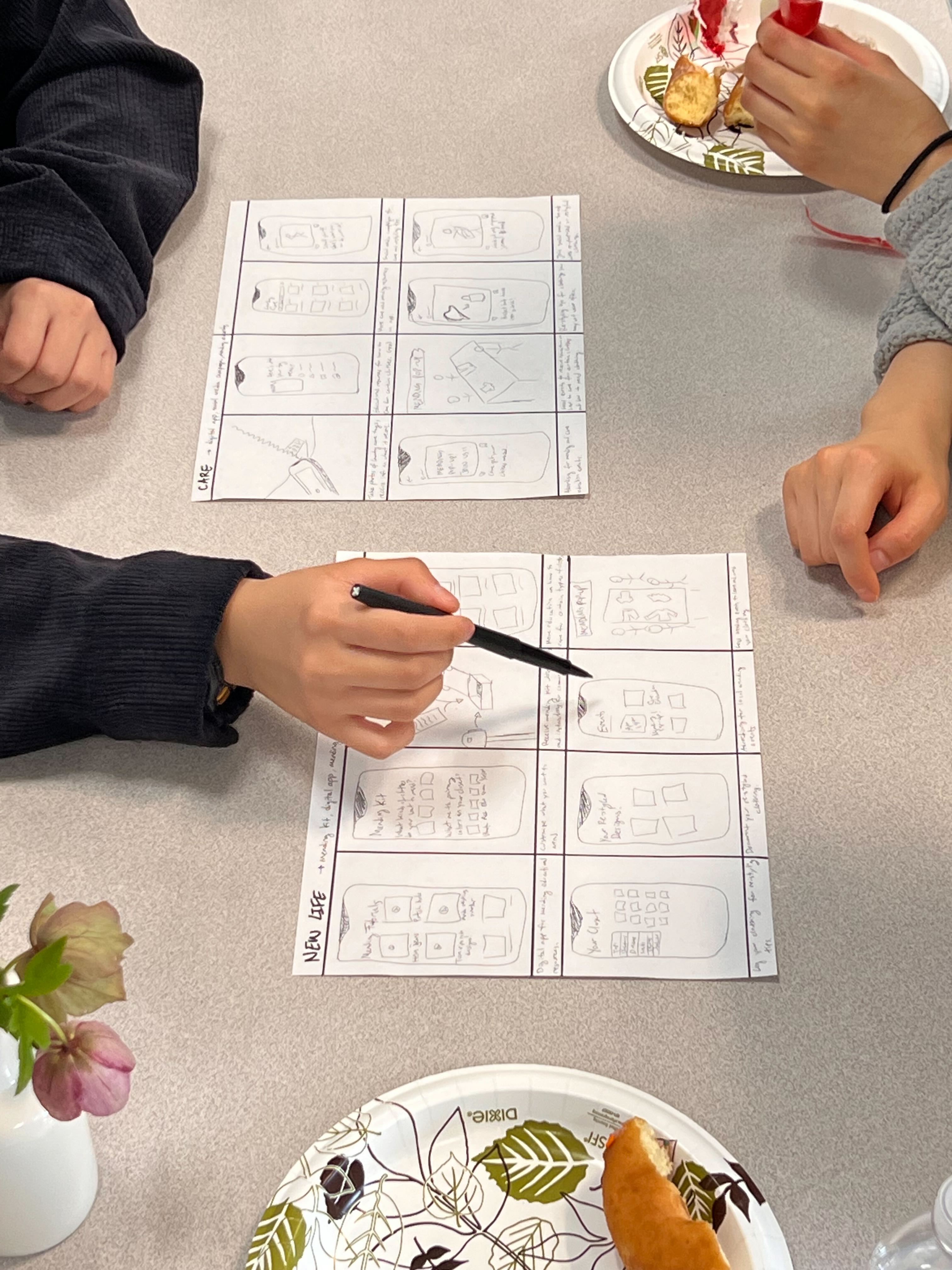
Key Takeaways
Focus on the user's initial intentions for entering the system and the journey they will take. Make sure to have reasoning for why each step or component is there and how it contributes to the core story.
Rethink the wording → be mindful of using niche words that those unfamiliar with sewing or clothing may not know.
Think about how to incentivize people to enter the system in the first place.